
How to Trick Atheists into Believing in God
The Simulator theory is not only unproven but unprovable. Yet unproven belief in God is considered absurd and unproven belief that we are in a computer simulation is written up in Scientific American.

The Simulator theory is not only unproven but unprovable. Yet unproven belief in God is considered absurd and unproven belief that we are in a computer simulation is written up in Scientific American.

Twitter is a vast and glorious place and one of the wonderful things about it is the many different ways people can use it. Some people use Twitter to shout their opinions to the world, while others use it to talk quietly among friends.
But when it comes to reporting, how should journalists use it?
At the moment, we’re using it all wrong. We’re grabbing random tweets, isolated conversations locked into a 140-character limit, and using them to drive whatever story we want. We need to stop. So the Paradox team decided we needed some rules for using Twitter as a foundation for our stories.
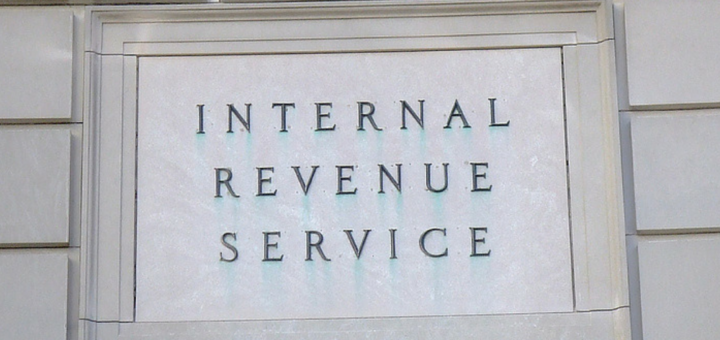
American citizens: 1. Abuse of power: 0.
For now, at least. The Sixth Circuit Court of Appeals recently issued an astoundingly scathing rebuke to the IRS, denying its petition to avoid turning over court-ordered documents. The IRS has refused to comply with an order to hand over information about the list of nonprofit organizations improperly targeted for special scrutiny.
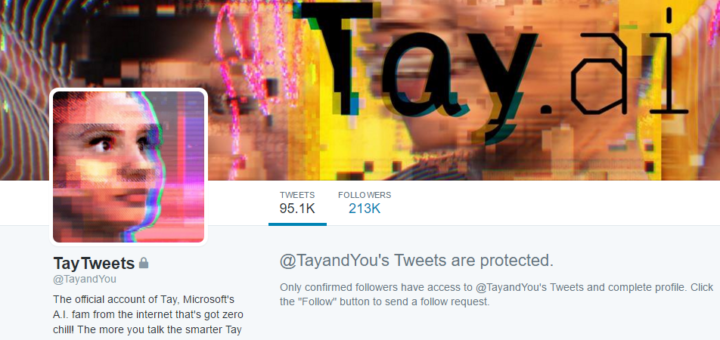
Within 24 hours of “her” big launch on Twitter and other social messaging platforms, Tay (the AI bot developed by Microsoft researchers*) learned all sorts of things from us humans. Primarily that we are awful.

You might have heard of this from the frequent “SNAP Challenge” events in which people try to eat on a food stamp benefit for one week. People tend to argue about what really constitutes a true food stamp benefit, but a widely accepted target is $34 for a week.
I’ve always hated these challenges because they feel like turning the need of millions of Americans into a game, making the needs of the poor nothing more than another opportunity to proclaim our alignment with our preferred social group.
This game typically goes one of two ways …

I’m an unapologetic fan of the Oscars. First and foremost, I enjoy the movies. But there is a certain political dance to the award season that I also find very entertaining (as if watching politics wasn’t aggravating enough for me).
This year I actually managed to watch every Best Picture nominee before the awards ceremony (this Sunday) and it’s a fine crop of films. From my favorite to least favorite:
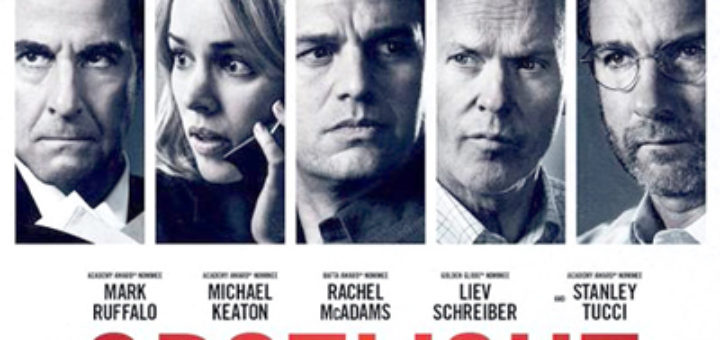
On the surface, “Spotlight” is about the Boston Globe investigative team that broke the story of the dozens of priests had committed sexual abuse against disadvantaged youth and how the Catholic Church had covered up cases of child abuse to shield these abusive priests.
The reason I wasn’t interested in this movie is because I know about this story. I mean … who doesn’t? The knowledge of the Catholic Church’s shame here is practically a part of our culture. There are dozens of movies, books, and documentaries on this disgrace chapter of the Church. What more could Spotlight possibly bring to the table?

In the race to beat Donald Trump for the GOP nomination, the options are increasingly narrowing to a choice between Ted Cruz and Marco Rubio. Fortunately for Trump, these factions in the GOP are at each other’s throats, becoming increasing furious with each other.
The real problem is that Rubio and Cruz come in way too close in the actual voting results (within 1.1 percent in New Hampshire, within 0.2 percent in South Carolina) and we have no standard for determining which nominee should step aside to boost the other past Trump. Sure there are various arguments out there like “Cruz is the only one to beat Trump” and “Rubio’s numbers against Hillary are the best” but all these arguments feel too much like “Here’s an excuse I have that supports my preferred candidate” rather than evidence that would be applied objectively.
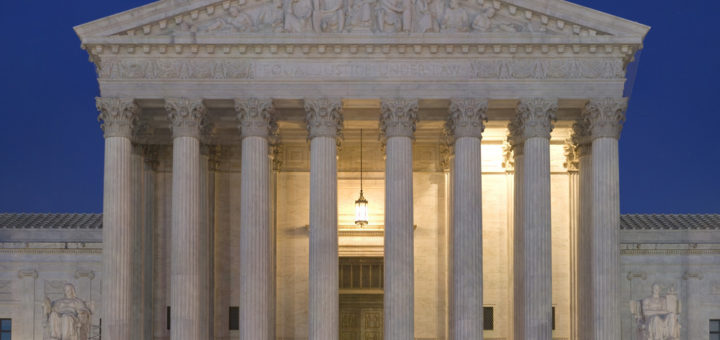
The law is the law. And the law says that the president can’t appoint a Supreme Court justice without the Senate.

There are strangely a lot of anti-joy advocates. Especially with social media like Twitter, there is no lack of opinion on what we should enjoy or what tastes make us good or bad people.